Role of Third-Party Inspection for Industrial Safety Certification Under License from DISH, Government of Tamil Nadu

Third-party inspections ensure compliance with industrial safety regulations, prevent workplace hazards, and certify the operational integrity of machinery. This process plays a crucial role in maintaining legal compliance, worker safety, and asset reliability.

1. Purpose of Third-Party Inspection

Third-party inspections ensure compliance with industrial safety regulations, prevent workplace hazards, and certify the operational integrity of machinery. This process plays a crucial role in maintaining legal compliance, worker safety, and asset reliability.

2. Key Areas of Inspection

Lifting Tools & Tackles

  • Load testing and structural integrity assessment.
  • Examination of hooks, chains, slings, and shackles for wear and tear.
  • Safety factor analysis and performance validation.

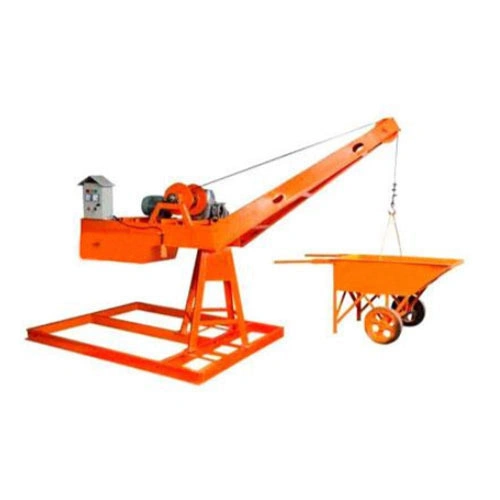
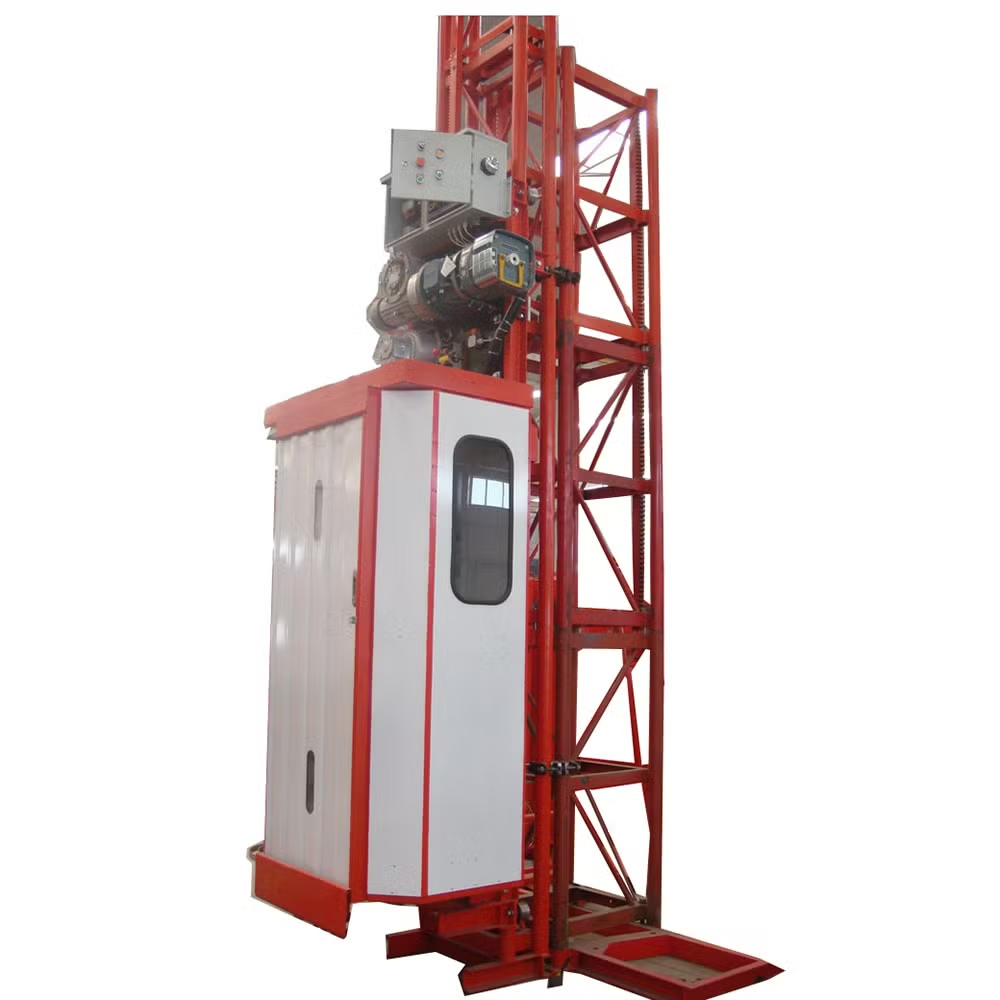
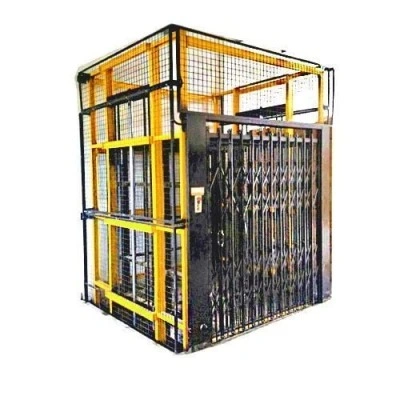
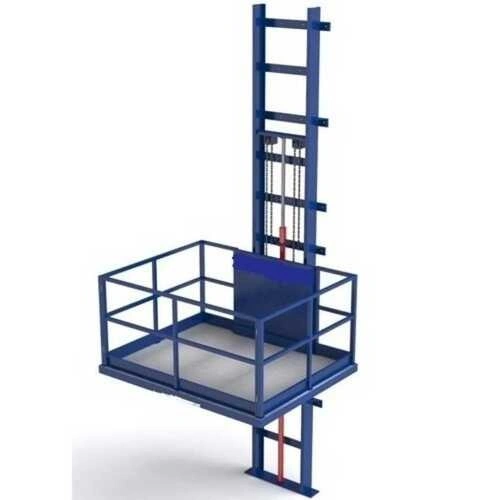
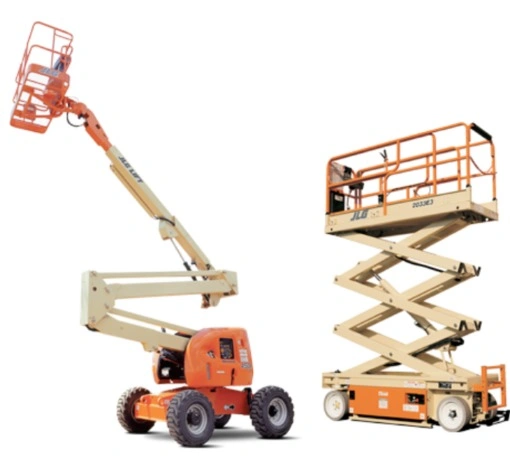
Cranes & Lifts

  • Functionality checks, operational control systems, and emergency mechanisms.
  • Load-bearing tests to verify mechanical strength and stability.
  • Electrical system inspections and fault detection.

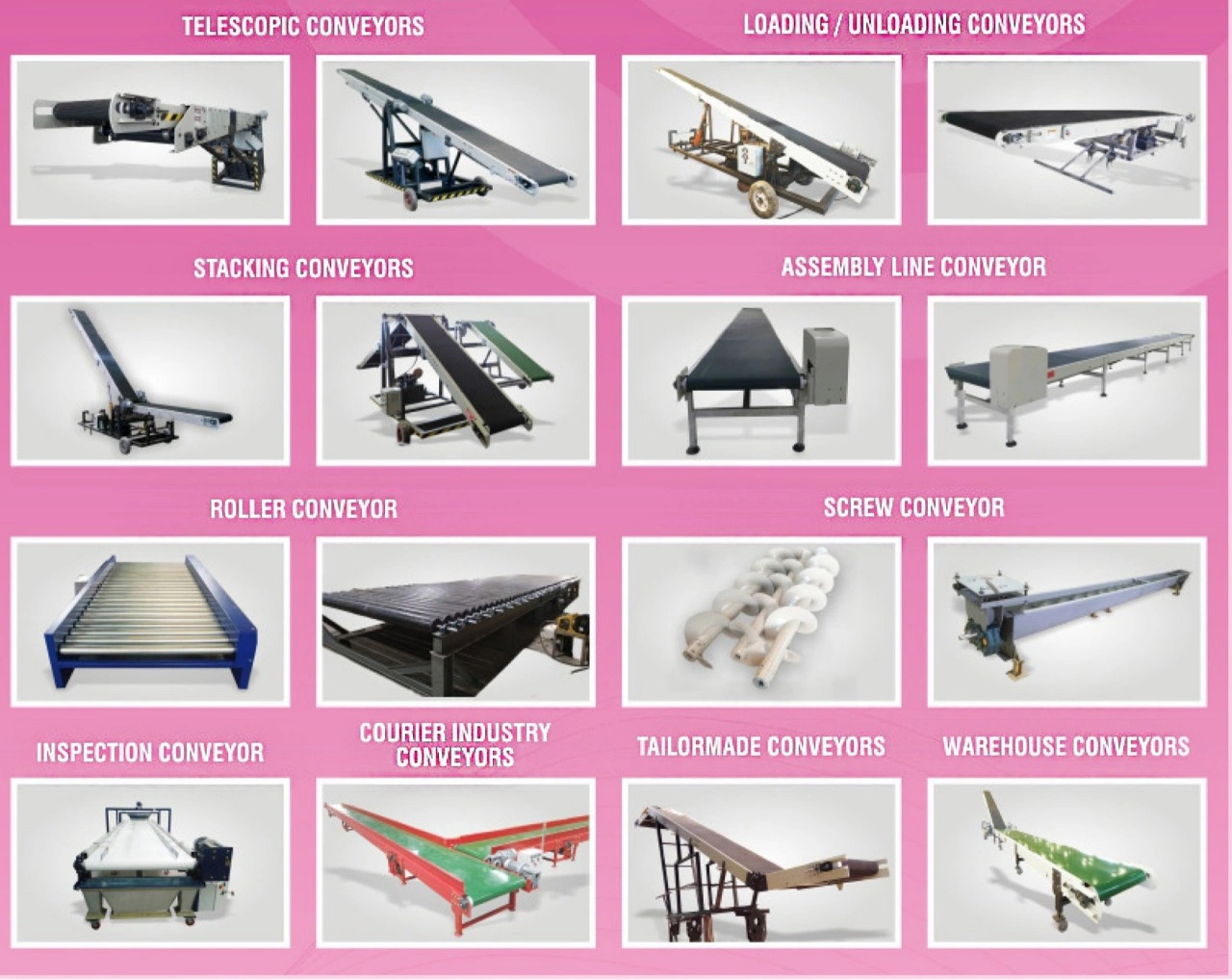
Conveyors

  • Assessment of rollers, belts, chains, and motor functionality.
  • Emergency stop mechanisms and safety barriers verification.
  • Load capacity evaluation and performance efficiency testing.

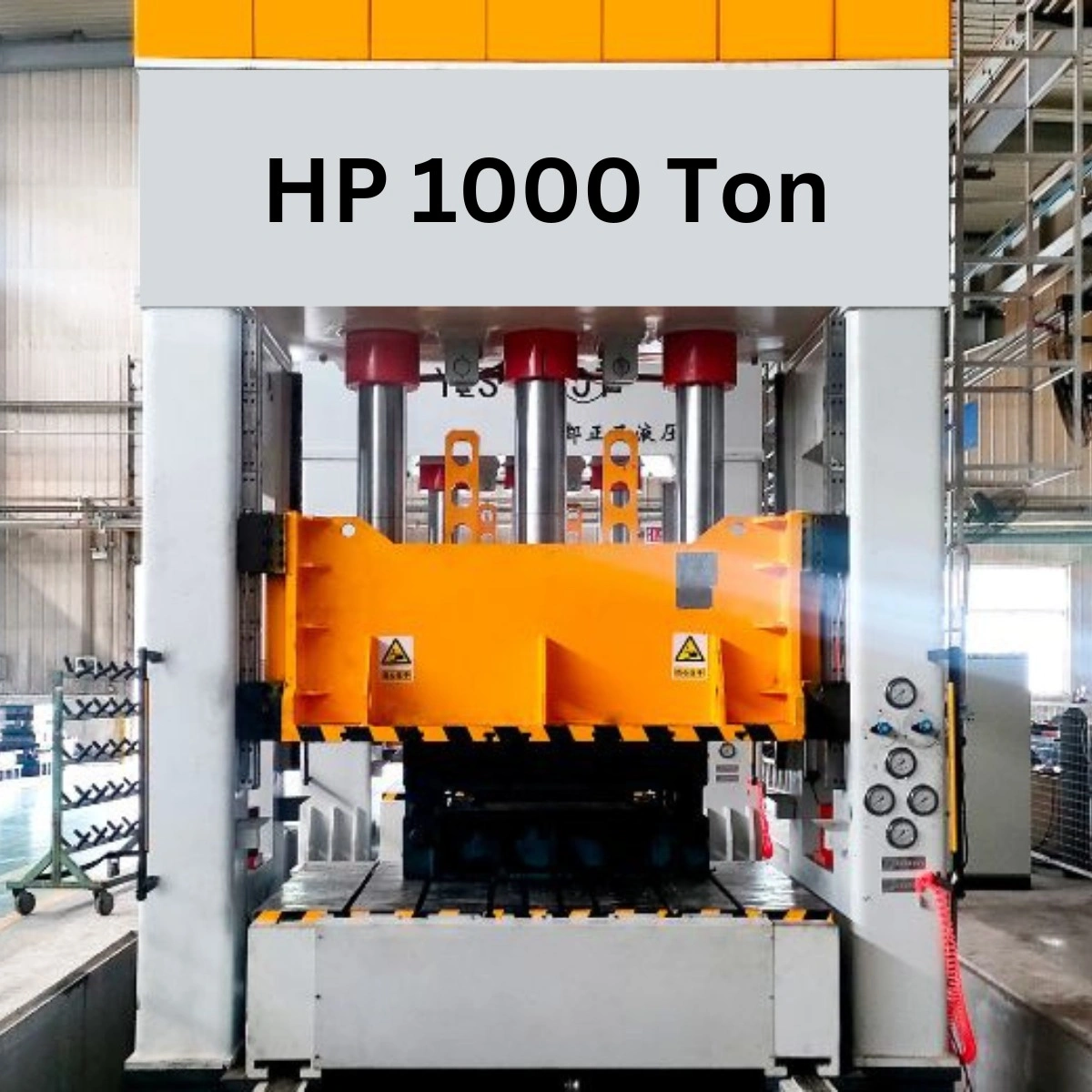
Power Presses

  • Inspection of key parts to avoid failure during operation.
  • Inspection of safety guards, control systems, and emergency shutdown features.
  • Verification of alignment, lubrication, and preventive maintenance measures.

Personal Protection Equipment (PPE)

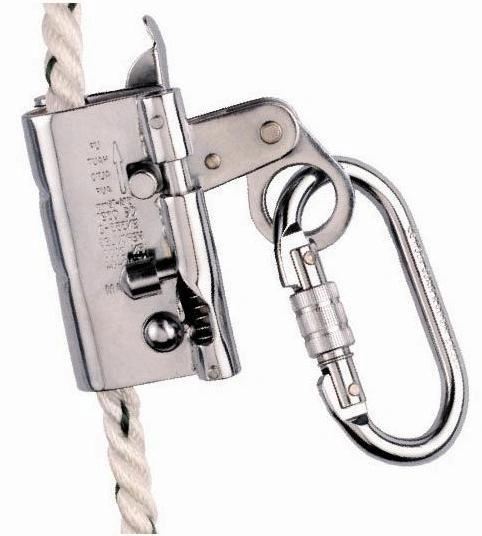
  • Quality assurance testing of safety harness, safety belts, rescue devices, fall arrestors, helmets & Lifelines.
  • Certification for compliance with industry safety standards.

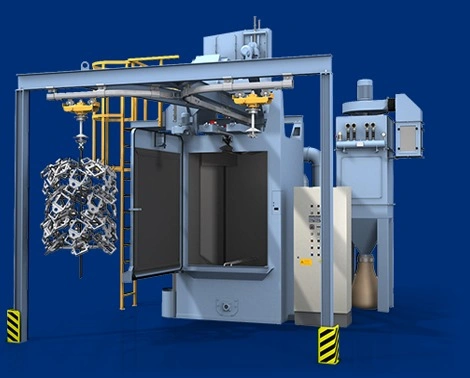
Dust Extraction System in Foundries, Cotton Mills, Leather Industries

  • Condition assessment for equipment.
  • Functional evaluation of safety interlocks, pressure controls, and emergency stops.
  • Airflow Efficiency – Ensuring proper suction and air movement to effectively capture dust and debris.
  • Filtration Performance – Evaluating the efficiency of bag filters, cartridge filters, or cyclone separators in removing fine particles.
  • Pressure Drop Analysis – Measuring resistance across filters to determine maintenance needs and system efficiency.
  • Dust Collection Capacity – Assessing the system’s ability to handle the volume of dust generated during blasting operations

Ovens & Driers

  • Temperature Uniformity Testing – Ensures consistent heating across different zone within the oven.
  • Energy Efficiency Assessment – Measures power consumption and heat retention to optimize performance.
  • Safety Compliance Testing – Verifies adherence to fire protection standards and explosion risk mitigation.
  • Material Compatibility Testing – Evaluates how different materials react to prolonged exposure to heat.
  • Structural Integrity Inspection – Checks insulation, ductwork, and ventilation systems for wear and leaks

3. Certification Process

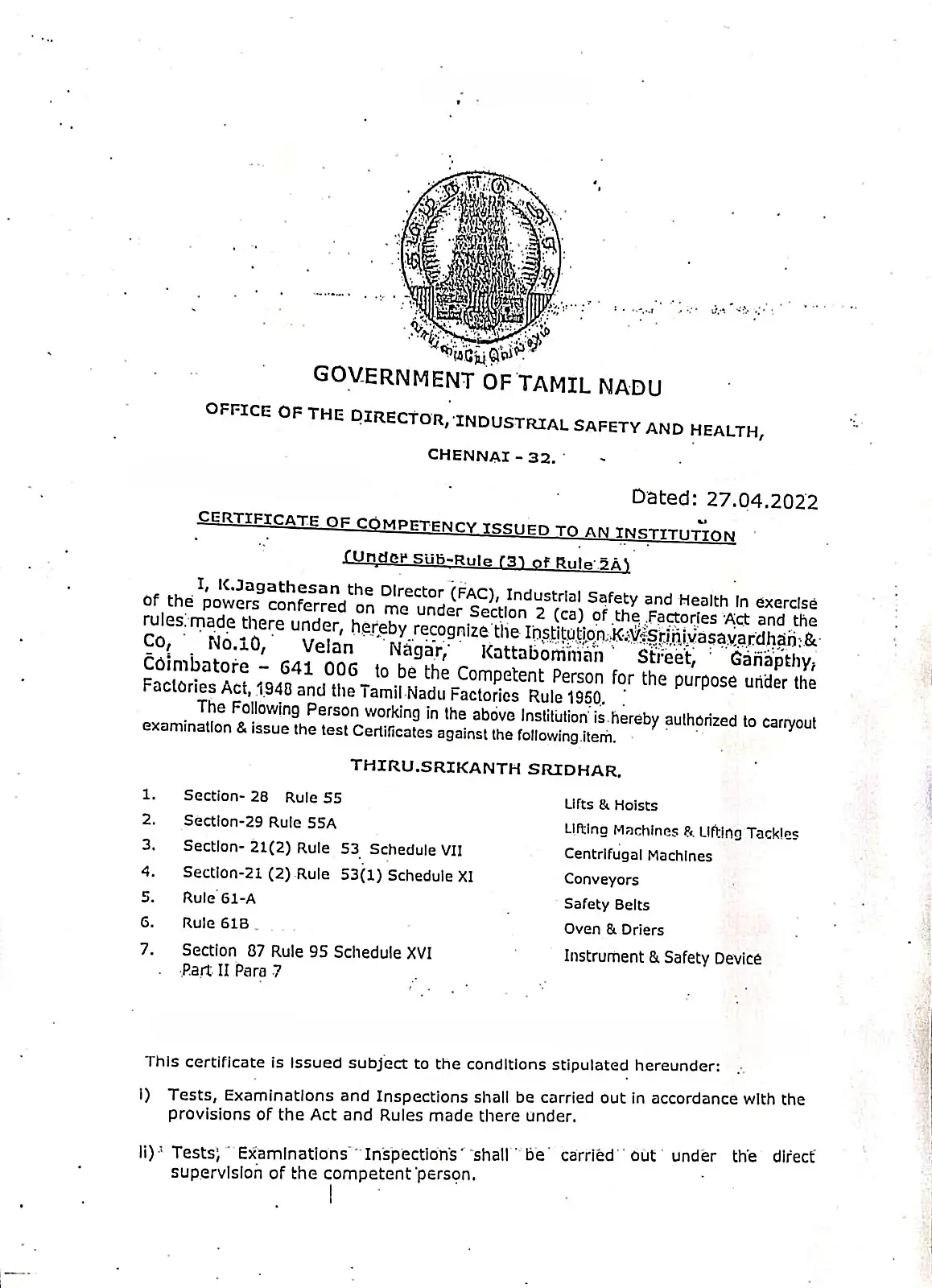
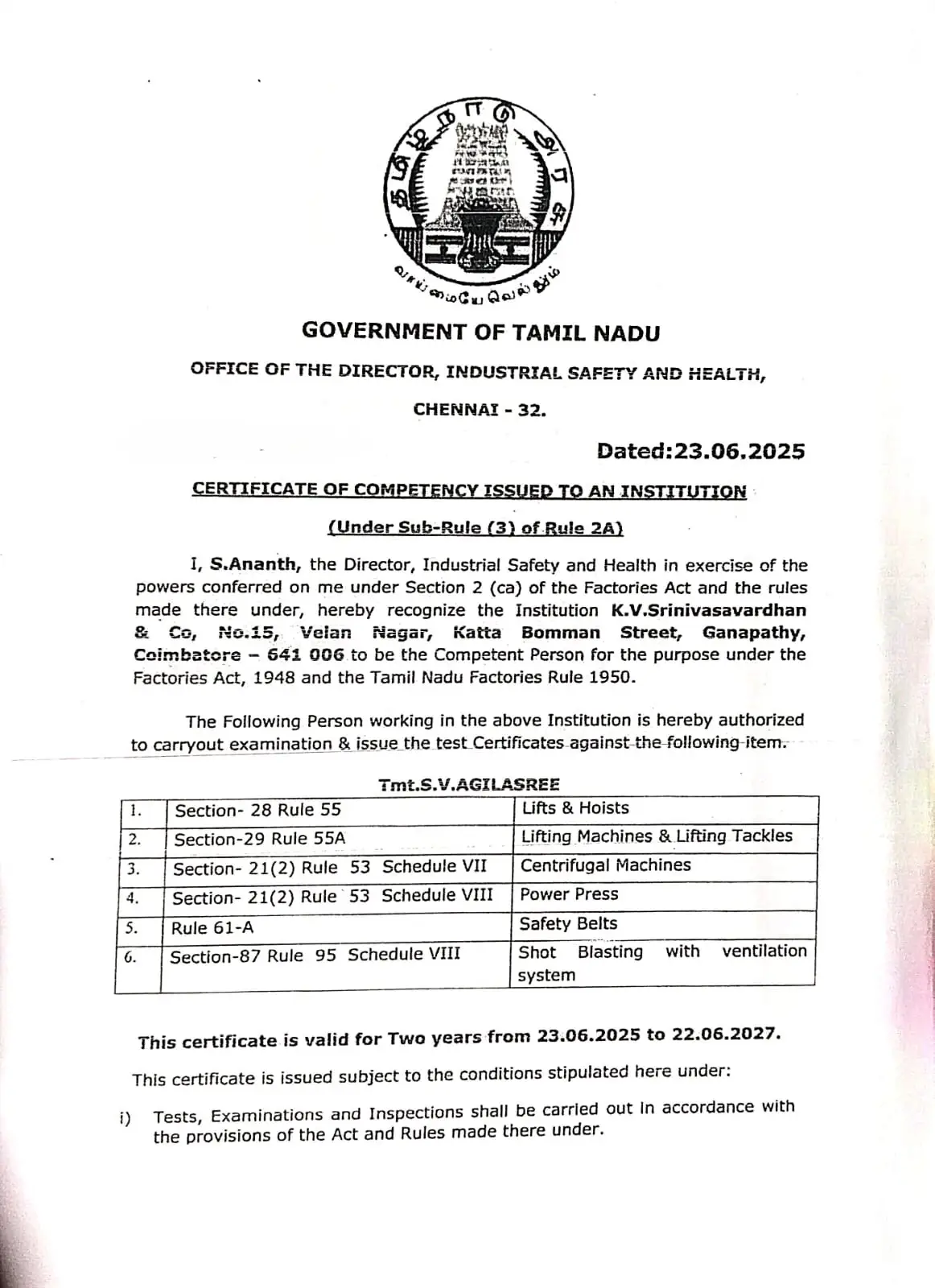
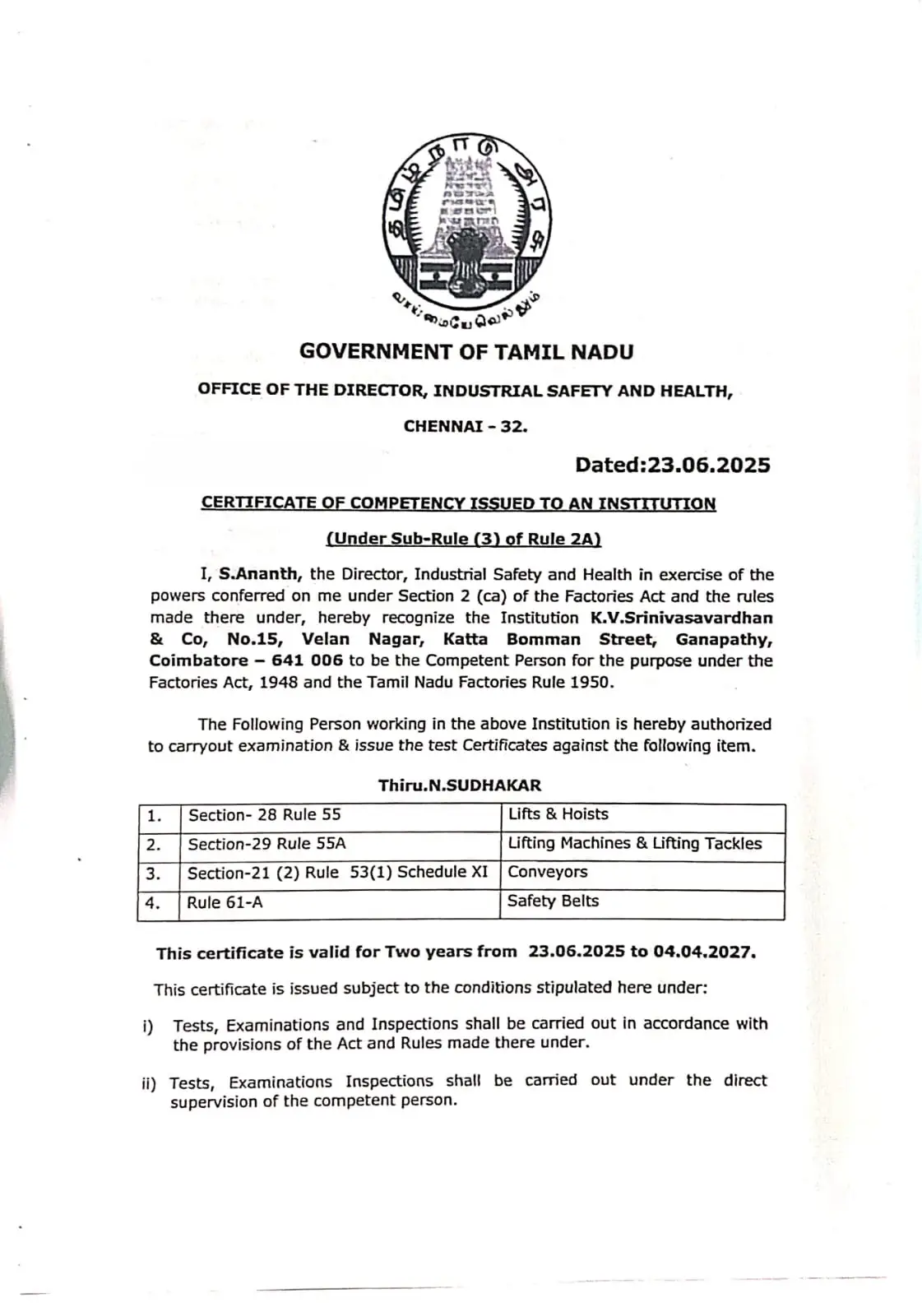
Third-party inspectors authorized by DISH, Government of Tamil Nadu, follow these steps for certification:

  • On-site Inspection: Thorough evaluation of equipment for mechanical, electrical, and structural integrity.
  • Testing & Validation: Conducting load tests, functionality tests, and safety checks to meet industry standards.
  • Compliance Check: Ensuring machinery meets Factories Act, 1948 and state regulations.
  • Issuance of Certificate: Providing a valid safety certification for legally approved operation.
  • Periodic Re-Inspection: Scheduled evaluations to maintain compliance and prevent workplace hazards.

4. Importance of Third-Party Inspection

  • Ensures legal compliance and prevents regulatory penalties.
  • Reduces workplace accidents and enhances worker safety.
  • Improves equipment reliability and operational efficiency.
  • Boosts credibility in industrial practices and business operations.

Third-party inspection under DISH, Government of Tamil Nadu ensures that factories adhere to strict safety protocols and protect workers from hazardous equipment risks. The certification process strengthens industrial safety while maintaining operational efficiency and compliance.
Reach Now